Monday, May 9, 2016

x ORANGUTAN

CRSTATUS

Critically Endangered

aPOPULATION

45,000 - 69,000

bSCIENTIFIC NAME

Pongo pygmaeus

cHEIGHT

3.3 – 4.6 feet

dWEIGHT

66–220 pounds

eHABITATS

Lowland rainforests and tropical, swamp and mountain forests

Bornean orangutan populations have declined by more than 50% over the past 60 years, and the species' habitat has been reduced by at least 55% over the past 20 years.

The Bornean orangutan differs in appearance from the Sumatran orangutan, with a broader face and shorter beard and also slightly darker in color. Three subspecies are recognized, each localized to different parts of the island:

Northwest Bornean orangutans are the most threatened subspecies. Its habitat has been seriously affected by logging and hunting, and a mere 1,500 individuals or so remain. Many habitat patches in the area are small and fragmented.Northeast Bornean orangutans are the smallest in size and found in Sabah and eastern Kalimantan as far as the Mahakam River.Central Bornean orangutans are the subspecies with the most animals, with at least 35,000 individuals.

1. Where do orangutans live?

Orangutans are found only in the rain forests of the Southeast Asian islands of Borneo and Sumatra. They spend nearly their entire lives in trees—swinging in tree tops and building nests for sleep.


© naturepl.com / Edwin Giesbers / WWF-Canon

2. Do the two species of orangutans look different from one another?

The two species of orangutan, Bornean and Sumatran, differ slightly in appearance and behavior. While both have shaggy reddish fur, Sumatran orangutans have longer facial hair and seem to have closer social bonds than their Bornean cousins. Bornean orangutans are more likely to descend from trees on occasion and move around on the ground.


© James Morgan / WWF-International

3. What threats do orangutans face?

Asia’s only great apes are threatened by rapid deforestation and devastation of their habitat, mainly due to palm and other agricultural plantations. Young orangutans, in particular, are also imperiled by the illegal pet trade and mothers often killed as poachers snatch their young.


© naturepl.com /Anup Shah / WWF

4. How many orangutans are left in the wild?

The Bornean orangutan is listed as Endangered and numbers approximately 41,000, while the Sumatran orangutan is considered Critically Endangered with an estimated population of 7,500. A century ago, more than 230,000 orangutans likely roamed in the wild.


© naturepl.com / Anup Shah / WWF-Canon

5. Do orangutans stick by their young?

Adult orangutans are solitary by nature but mothers stay with their young for up to eight years—longer than any other great ape.


© Martin Harvey / WWF-Canon

6. What do orangutans eat?

Fruit makes up about 60% of the orangutan's diet, including lychees, mangosteens, mangoes and figs. They also eat young leaves and shoots, insects, soil, tree bark, and occasionally eggs and small vertebrates. Water comes from fruit as well as tree holes.


© Michel Terrettaz / WWF-Canon

7. How does WWF help orangutans?

WWF has been working on orangutan conservation since the 1970s. Today, we are focused on securing landscapes for major orangutan habitats, promoting sustainable forestry and stopping illegal wildlife trade.


© naturepl.com / Anup Shah / WWF-Canon

8. Where does the word 'orangutan' come from?

The name orangutan translates to 'man of the forest' in the Malay language.


© naturepl.com / Anup Shah / WWF-Canon

9. Do orangutans climb trees?

Orangutans are distinguished by their long, muscular arms and gripping hands and feet which allow the world’s largest tree-dwelling mammal to sway branch to branch.


© Fletcher and Baylis/WWF-Indonesia

10. How do orangutans and people live together?

WWF helped launch a sustainable honey business on the island of Borneo, where orangutans and people depend on the same forests. The prized, forest-grown product provides income and deters destruction of orangutan habitat

RESTORING HABITAT INTEGRITY

WWF works with governments to help create and manage a network of protected areas. We also collaborate with certified logging concessions to connect them with carefully managed “ecological corridors.” Studies show that Bornean orangutans can survive in logged forests if the impact of logging is reduced through selective logging, keeping fruit trees intact, and controlling hunting. WWF has developed scientifically rigorous assessment tools and plans to manage orangutan landscapes. We engage with timber and palm oil companies to develop specific protection and management plans for their concessions, in order to mitigate negative impacts on habitats and orangutan populations.

ADDRESSING THE ILLEGAL KILLING AND TRADE OF ORANGUTANS

WWF works closely with TRAFFIC, the wildlife trade monitoring network, to help governments enforce the laws that prohibit orangutan capture and trade. This work includes strengthening the capacity of rangers, prosecutors and customs officers to identify, investigate and prosecute wildlife crimes. We assist government and specialized organizations in rescuing orangutans from traders and from people who keep them illegally as pets. Many rescued orangutans are taken to refuges where they can recover and be rehabilitated, and then are eventually released back into the wild.

REDUCING HUMAN-ORANGUTAN CONFLICTS

WWF works with the governments, local communities, plantation owners and indigenous Dayak people to help develop plantation management methods that do not affect orangutans. We assist with regional land use planning to ensure that agricultural areas are developed as far away from orangutan habitat as possible. We also help establish ecotourism to support conservation. Sustainable tourism can generate financial support for orangutan conservation, bring economic benefits to those living nearby, and increase the commitment of residents and foresters to protect the animals.

COMMUNITIES FIND A VOICE THROUGH PHOTOGRAPHY

In 2010, WWF started a program in West Kalimantan, Indonesia that enables local communities to find a voice through photography. The program, Panda CLICK! (Communication Learning toward Innovative Change and Knowledge), encourages community members to capture photos and video of their surroundings—images they feel are significant to their culture and daily life. Participants are of all ages and include fishermen, farmers, teachers, students and tribal leaders. Panda CLICK! is part of WWF’s contribution to community education about nature conservation. The program encourages communities to transfer knowledge to younger generations through visual and written documentation.


Saturday, November 28, 2015

Javan Leopard

Javan leopard (Panthera pardus melas) is a subspecies, which is found only in the Indonesian island of Java. It is classified as critically endangered by IUCN (International Union for Conservation of Nature) since 2008. The population of these leopards is estimated at less than 250 mature individuals, with a decreasing trend. The total remaining habitat is estimated at just 2,267.9 to 3,277.3 km2 (875.6 to 1,265.4 sq mi).

Provincial animal of West Java, this cat either has a normal spotted coat, or a recessive phenotype resulting in an all black coat. It is orange with black rosettes and spots, but is also commonly black.
Molecular research shows that the subspecies is craniometrically distinct from leopards of rest of the Asia. They are a distinct taxon that split off from other Asian leopards hundreds of thousands of years ago. It is estimated that in the Middle Pleistocene, they came to Java from South Asia across a land bridge that bypassed Sumatra and Borneo.

Distribution and habitat

They are commonly found in Ujung Kulon National Park, Gunung Gede Pangrango National Park, Gunung Halimun National Park, Ceremai National Park, Merbabu National Park, Merapi National Park, Bromo Tengger Semeru National Park, Meru Betiri National Park, Alas Purwo National Park and Baluran National Park. These versatile creatures can thrive in a variety of habitats ranging from dry deciduous forests to patches of dense tropical rainforest in the south-western part of the island, to the mountains and finally in scrub in the east. A survey conducted in 1990s showed they seemed to particularly prosper in the seral stages of successional vegetation patterns, which made them less susceptible, compared to many other mammals, to the disruptive activities of humans in the name of development.

A monitoring research was conducted from 2001 to 2004, in a 20 km2 (7.7 sq mi) area of Gunung Halimun National Park using camera traps and radio-tracking. Study area showed the presence of seven leopards. The total population was estimated at 42 to 58 individuals. Study also indicated that home range of an adult female covers about 9.82 km2 (3.79 sq mi).

Diet

In Indonesia their diet consists mainly of barking deer, lesser mouse deer, long-tailed macaques, Javan gibbon, silvered leaf monkey and of course wild boar. Like all other wild cats that live near human habitation Javan leopards too look for food in close by villages and have been known to prey on domestic animals like dogs, goats and the poultry. This poses a major problem both for the farmers and the cat.

Threats

These animals are threatened by poaching, loss of habitat and prey base depletion, rising human population and agricultural expansion. Java has already lost more than 90 per cent of its natural vegetation and today it is one of the most densely populated islands in the world. With 118.3 million people Java holds 59 per cent of Indonesia’s total population living in 2,286 sq miles (5,920 km2). Primary forests remain only in the mountainous regions at elevations above 1,400 m (4,600 ft).

Conservation

Efforts are being made to bring back the population of these handsome cats, which are already on the brink of extinction, much like the Javan tiger. Hunting laws are being strictly enforced. As a part of process Gunung Halimun National Park was enlarged to three times its original size for restoration of the Javan leopard, Javangibbon and the Javan Hawk-eagle in 2005.

In Indonesia captive breeding programs are not very successful. In 2007, the Taman Safari zoo had 17animals — seven male and ten female — of which four were breeding pairs. Captive breeding programs are also set up in the Indonesian Ragunan and Surabaya zoos.


Tuesday, October 27, 2015

Komodo Dragon

Common Name: Komodo Dragon

Scientific Name: Varanus komodoensis

Type: Reptiles

Diet: Carnivores

Average Lifespan in The Wild: up to 30 years

Size: 10 ft (3 m)

Weight: 330 lbs (150 kg)

Size relative to a 6-ft (2-m) man:


IUCN Red List Status: ?

Vulnerable

LC

NT

VU

EN

CR

EW

EX

Least ConcernExtinct

Current Population Trend: Unknown

About the Komodo Dragon

Komodo dragons have thrived in the harsh climate of Indonesia's Lesser Sunda Islands for millions of years.

Reaching 10 feet (3 meters) in length and more than 300 pounds (136 kilograms), Komodo dragons are the heaviest lizards on Earth. They have long, flat heads with rounded snouts, scaly skin, bowed legs, and huge, muscular tails.

Diet

As the dominant predators on the handful of islands they inhabit, they will eat almost anything, including carrion, deer, pigs, smaller dragons, and even large water buffalo and humans. When hunting, Komodo dragons rely on camouflage and patience, lying in wait for passing prey. When a victim ambles by, the dragon springs, using its powerful legs, sharp claws and serrated, shark-like teeth to eviscerate its prey.

Feeding

Animals that escape the jaws of a Komodo will only feel lucky briefly. Dragon saliva teems with over 50 strains of bacteria, and within 24 hours, the stricken creature usually dies of blood poisoning. Dragons calmly follow an escapee for miles as the bacteria takes effect, using their keen sense of smell to hone in on the corpse. A dragon can eat a whopping 80 percent of its body weight in a single feeding.

Population

There is a stable population of about 3,000 to 5,000 Komodo dragons on the islands of Komodo, Gila Motang, Rinca, and Flores. However, a dearth of egg-laying females, poaching, human encroachment, and natural disasters has driven the species to endangered status.

Did You Know?

Komodo dragons can run up to 11 miles an hour in short bursts.


Saturday, May 30, 2015

Maleo (Macrocephalon maleo )

Overview

This large, predominantly black and white bird is found on two islands within Indonesia. In the last 60 years the population has declined by as much as 90%. The primary threat is the harvesting of eggs by the local communities which has led to a number of nesting sites being abandoned. The population is estimated at somewhere between 8,000–14,000 mature individuals. The Maleo has been protected under Indonesian law since 1972 and half of the current nesting sites are within protected areas. A small number of these locations receive conservation attention such as guard patrols which have led to an increase in hatch rates. Community engagement projects have been delivered to educate local people about the impacts of egg harvesting and a number of former ‘egg diggers’ are now employed as guards.

Urgent Conservation Actions

Nesting sites must be protected from human interference, predators, habitat conversion and invasive vegetation.

Distribution


Endemic to the Sulawesi and Buton islands in Indonesia.

Evolutionary Distinctiveness

Order: Galliformes

Family: Megapodiidae

Megapodiidae is one of the five families within the order Galliformes. There has been a great deal of discussion regarding the phylogeny of Megapodes but it is now widely accepted that the family consists of seven genera with 22 extant species. The family can be separated roughly in half by distinguishing species as either ‘mound-builders’ or ‘burrow-nesters’. Whilst the Maleo does not build a mound it is more closely related to the mound-builders. It appears that the Maleo may have diverged from other species approximately 30 million years ago.

The tree below shows the evolutionary relationships between this species and all other birds. The colours of the tree indicate EDGE scores with the red shades indicating the higher priority species; the bright red leaves correspond to the top 100 EDGE bird species. Further information on every species can be found by zooming in to its leaf on the tree.
Description

Size: 

55-60cm

The Maleo is a large, black and white bird. It features a wide, medium-length tail and large feet. Its most distinguishing feature is the bony casque on its crown along with its yellow face. It has a black back and thighs with a white belly and slightly pinkish breast.

Ecology

Inhabiting lowland and hill rainforest this species often travel through man-modified habitats to reach their coastal breeding grounds. The Maleo is a communal nester, which is considered to be an evolutionary strategy against egg predation. It regularly nests on sandy beaches, riverbanks and lake shores. Female birds will lay 8–12 eggs over the course of a year. These are laid in a pit which will be warmed either though solar or geothermal heat. These eggs, which are five times larger than a hen's egg, are left to incubate for 2–3 months with no parental supervision. When the eggs hatch the young will tunnel to the surface and be ready to fly, requiring no parental care whatsoever.

Habitat

This species will inhabit lowland and hill rainforest up to an altitude just over 1,000 metres. When travelling to coastal nesting ground the Maleo will travel through some man-modified habitats. It will nest on beaches, river banks or lake shores.

Distribution

Endemic to Sulawesi and the Buton Islands in Indonesia.


Map data ©2016 GBRMPA, Google, ZENRIN

Terms of Use


View this species distribution with the Google Earth plug-in

Population Estimate

8,000-14,000 adults

Population Trend

Declining

Status

Endangered

Threats

Many nesting sites have been abandoned due to egg harvesting and conversion of land to agriculture. This has led to a rapid decline in population numbers, in some places by as much as 90% since 1950. The fragmentation and destruction of forest habitat represents a serious threat to the current population. In the past 15 years there have been two serious wildfire events, in 2000 and 2004. The fires cleared large areas of forest and the resulting regrowth was not suitable habitat for the Maleo. Non-breeding habitats and coastal breeding grounds have now become isolated from each other due to an increase in urban and road developments. This has drastically increased the risk of mortality for these birds when moving between sites.  The eggs are a popular local delicacy, and over-harvesting for food is still an issue.

Conservation Underway

The species is currently listed on CITES appendix I and has been protected by Indonesian law since 1972. A species action plan for megapodes was created covering 2000–2004. More than half of the nesting grounds are within protected areas with a number of sites receiving active conservation attention and guard patrols, which have led to greater hatch rates. Community engagement has been effective in certain areas where former ‘egg diggers’ were hired to guard hatching sites and has been successful long after its trial period. Communities and local NGO’s have also been used to help improve forest quality and nesting sites. The Wildlife Conservation Society (WCS) currently protects four nesting sites in or near Bogani Nani Wartabone National Park where over 8,000 chicks were hatched and released in 2013.

Conservation Proposed

One of the most important conservation measures is the need to protect nesting grounds that are in use, especially those that face immediate threat. This would be more slightly effective than translocating eggs in the hope of recolonising abandoned nesting sites, which may be a tool used in the future. Nesting sites must be protected from humans, predators and invasive vegetation. Community based initiatives should be organized to educate local communities about conservation. Monitoring programmes must be implemented to assess the effectiveness of any conservation measures.


Thursday, April 16, 2015

Cendrawasih: Birds of Paradise

Most of you may not know of the Bird of Paradise, but it is definitely not a phrase. This bird is the rainbow of the equatorial rainforests, a true dream to be in the presence of one of them! While I am currently on summer vacation, I’d like you guys to have an amazing experience as I am now, and to be just as awed by this majestic bird I discovered…

A long time ago, a group of strangers entered the peaceful lives of a Papuan tribe. The tribe had never seen any men like them, for their skin are white. “Who are you?”, they asked, yet the strangers spoke in a language they could not understand. What strange men, they thought. The day they began to understand each other was the day the white men learnt a story (better said, a legend). The tribe told them of birds said to be the birds of the gods. They believe in such things because only the royalty will wear such intricate feathers and they will never touch the earth unless they die, thus falling to the ground from the heavens. They strictly feed only the rain’s dew on leaves. This is why they are said to have ‘no legs’ and the travelling white men named them ‘Bird of Paradise’, as they refer to the bird of the heavens. The Papuan’s tribal ancestors have been capturing these godly birds ever since Christ was born (which the whites took divinely!), and this tradition continues until today.

According to me, the Birds of Paradise resemble the colours of life, you know, reminding us of how the universe is filled with wondrous things. For me, they help forget the bad stuff that exists in our world… corruption, terrorism, death, all these I ignore when I see the bird’s utopian colours! I know this sounds quite sappy, but it’s true. Often visits to the zoo and a catalog of various birds always soothed my senses! What is this bird to you?

The one by your left is my favourite, I think it looks like an orchid… The Bird of Paradise is truly a majestic bird found throughout Papua New Guinea, Indonesia and around Eastern Australia. It has more varieties of colours than just red and yellow, especially regarding the male ones. They also come in various sizes, some to the size of little canaries and some are as a metre!


The right hand-side Bird of Paradise is also known as a Ranggiana, about the size of a crow with the addition of their longer tail. We can see the difference in these two birds are not by their plumage, but by their size. The left might just be to the size of a flower compared to the larger size of the Ranggiana (not counting the length of its tail). They could weigh within the range of 50 to 400 grams.

The natives of Indonesia call them Cendrawasih, belonging to the Paradisaeidae family and has a total of 14 generas 43 species. It is known to be Papua’s national bird, it’s rarity priced their worth amongst the society; modeled in every stamp and cab, yet not many will tend to survive/be sighted nearby today’s destructive society.

The Cendrawasih are by fact, omnivours. Although they will prefer juicy fruits instead (and dew now and then!). Their colouration have a range of all colours of the rainbow, along with the addition of black, brown and white feathers. Mixing these colours throughout centuries of generations (along with hybrids) produced an array of heavenly beings!

Speaking of mating… Have you seen the videos? I think they’re magnificent! Scientists and passionate photographers have been known to endure an 8-year mission to video all the species of the Bird of Paradise! This just shows how rare they are, especially for 43 different species. I’ve watched this second video ever since I was young, and I was enthralled by its beauty, despite of my young understanding.

OK, so here comes the cool part: mating. You’ve already known how beautiful these birds are, each having their own unique plumage of various colours. This mainly serves for their purpose of courtship, but there is also their performance that matters. In these rituals, colourful males present their striking colours in as many ways possible, swaying from branch to branch, singing his female a serenade, even creating bonuses by building their own stage! Females are picky in all circumstances, refusing to choose a mate she supposes does not deserve her (although her colours are nothing but a shade of brown). Stubborn as they are, some males will never mate despite their persevered, yet futile rituals. This is when Darwin steps in and announces: “Survival of the ‘colourful'”.

Now how do they learn the dance? This is not interpretive, or according to the bird’s instinct, but they actually go on classes to learn them! Like humans, the Cendrawasih may take years to learn a dance so they can pick up on chics. Their young colours (at the meantime) may help them camouflage to disguise them as an admiring (or judgmental) girl. If they got caught, things could get very messy… But if they don’t, and should they remain as a female to the elder male, things could get even messier (if you know what I mean)…


Their colours also gives a massive disadvantage. As you see, these Papuan tribes are wearing Ranggiana Birds of Paradise upon their heads. However, most of their accessories might not display them so conspicuously. Due to hunting, illegal trading, habit destruction, and some of Papua’s traditional customs regarding these birds may already cause some of their 43 species (and some hybrids) to join the dinosaurs.

Traditional rituals of Papua required these birds, as they create the extremely attractive colours of their whole attire. The white men who returned to Europe brought along these plumes back with them (as a welcoming gift from the tribes) to which the women simply adore and soon became popular for their millinery purposes ever since. Since Indonesia is incredibly rich in natural resources (including these birds), deforestation is a grave threat to the lives of the Cendrawasih. Despite legal protection to these birds, many people are still smuggling these birds for illegal trade.


 As for the tribes and West Papua itself, protection agencies limit their hunts so that there will be enough for their traditional rituals. The Cendrawasih represents these people, it is not only a sign of beauty of their country, but a sign of political independence and freedom. They also represent some monetary value through stamps!


Friday, November 14, 2014

Merak  : The Most Beautiful Bird

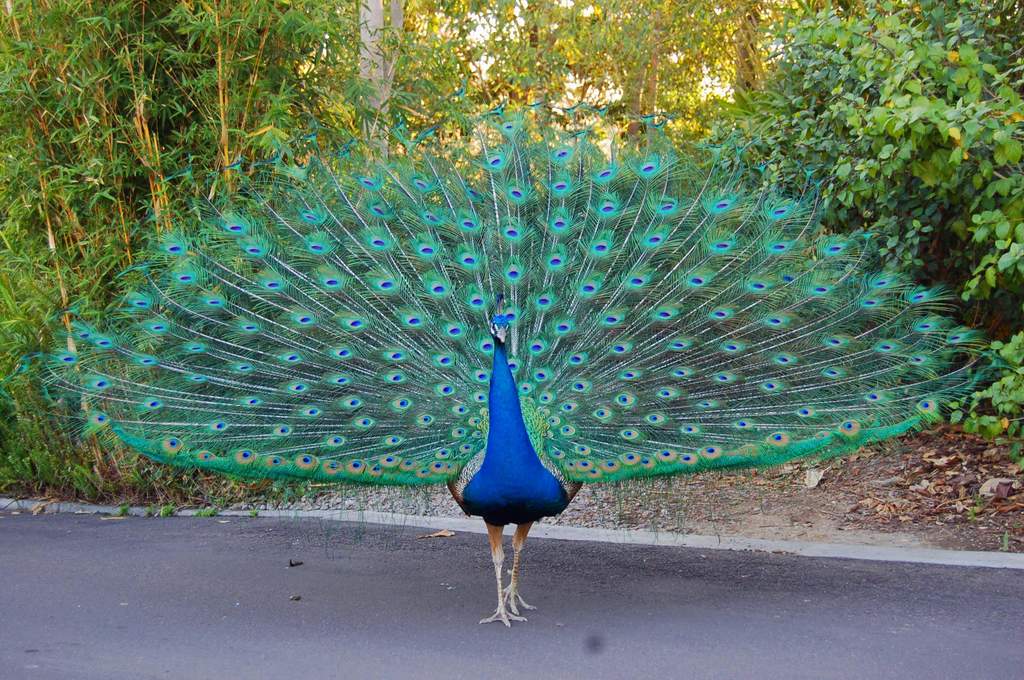
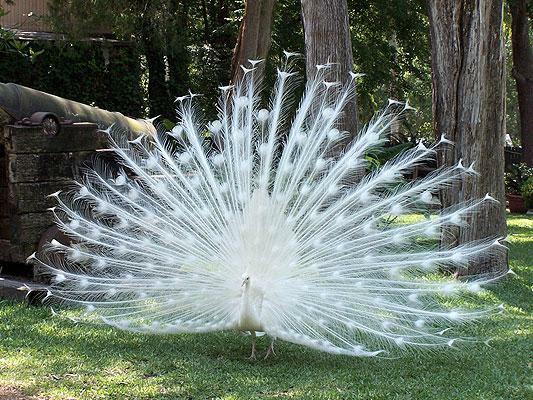
Merak or Peafowl is a bird of the Phasianidae family. They are relative of the peasant. Merak is found in Java and Sumatera. You can also find them in India or Malaysia but they are different from Indonesian Merak. Merak in Indonesia has unique feature : they colourful.


Merak has different type and some of them has different colour of feather. They are very calm but in the same time can be aggressive too.


You probably think that it must be fun o take picture with these animal, well I’m sure your guide would not allow since merak can attack people at anytime.


Monday, November 3, 2014

Macrogalidia musschenbroekiiSulawesi palm civet

Geographic Range

Sulawesi palm civets are found only on the island of Sulawesi in Indonesia. Verified range on the island includes the end of the Minahassa peninsula, the east peninsula, the southeast peninsula, and a small section of central Sulawesi. Few sighting or specimens have been recorded from central and southern Sulawesi. (Lee, et al., 2003Wemmer and Watling, 1986)

Two other species of civets occur within Sulawesi palm civet range. Both the common palm civet and the Malay civet have been introduced to Sulawesi. (Veron, 2001)

Biogeographic Regionsoriental  native Other Geographic Termsisland endemic

Habitat

Sulawesi palm civets preferred habitat is primary growth rain forest. Evidence suggests these civets are equally prevalent across elevations within its range. These habitats include upper montane rain forest and cloud forest, lower montane rain forest, and lowland rain forest. Sulawesi civets are also associated with farms, where they seek out chicken coops. (Schreiber, et al., 1989Wemmer and Watling, 1986)

Habitat Regionstropical terrestrialTerrestrial Biomesrainforest mountainsOther Habitat FeaturesagriculturalRange elevation0 to 2600 m0.00 to 8530.18 ft

Physical Description

Sulawesi civets posses a soft, short, fine coat with brown coloration on the back and yellow brown coloration on the under parts. The breast may have a reddish tint. Vague darker spots are arranged along the back in two vertical rows on either side of the spine. Between seven and eleven light yellowish tail rings can also be present, but may be incomplete or irregularly spaced. The tip of the tail is darker. The face is brown with paler zones of hair around the eyes, in the ears, and along the upper lip. (Lydekker, 1896Wemmer, et al., 1983)

Very few living specimens have been measured. The data presented here are based on two female specimens and one male. Body lengths for these females were 650 mm plus a 480 mm tail and 680 mm with a broken tail 445 mm long. Male body length was 715 mm with a 540 mm tail. Despite having a common name of “giant civet,” they are not unusually large for a civet, being similar in size to masked palm civets. They are, however, the largest wild carnivore on Sulawesi Females have a perineal scent gland behind their genetalia, but males seem to lack a perineal scent gland. The female gland characteristics are similar to those of masked palm civet. The only other taxa of palm civets in which males lack a scent gland is the genus Arctogalidia. Upper and lower cheek teeth run parallel rather than diverging towards the back. (Lydekker, 1896Wemmer, et al., 1983)

Molecular evidence shows that Sulawesi civets are actually in the subfamily Hemigalinae instead of Paradoxurinae where they have been historically grouped. Its morphological similarities to the Paradoxurines are due to convergence. This puts Sulawesi civets closest relative as the otter civet. (Wilting and Fickel, 2012)

Other Physical Featuresendothermic bilateral symmetrySexual Dimorphismmale largerRange mass3.85 to 6.1 kg8.48 to 13.44 lbRange length1130 to 1255 mm44.49 to 49.41 in

Reproduction

The reproductive biology of these civets has yet to be studied.

Reproductive behavior of this little known viverrid is still unknown. It is likely similar to other civets, but because Sulawesi civets are monotypic in its genus and possibly grouped in the wrong subfamily it is difficult to compare them to other species. In general, other civets have one to two litters of one to three young per year, with a gestation period of 30 to 60 days. Time to sexual maturity is about one year. (Wemmer and Watling, 1986Wilting and Fickel, 2012)

Key Reproductive Featuresiteroparous gonochoric/gonochoristic/dioecious (sexes separate) sexual viviparousBreeding intervalThe breeding interval for Sulawesi civets is unknown.Breeding seasonThe mating season for Sulawesi civets is unknown.

Females care for the young and have two pairs of nipples. It is possible that mother and young share some territory. It is unlikely that males participate in parental care, but this is not known for sure. (Wemmer and Watling, 1986Wemmer, et al., 1983)

Parental Investmentfemale parental care

Lifespan/Longevity

Lifespan of the Sulawesi civet is unknown. Other civets have lifespans of 5 to 20 years.

Behavior

The Sulawesi civet is solitary and nocturnal. It is a highly skilled climber and specializes in arboreal foraging. It has semi-retractable claws, quick reflexes, flexible feet, and a mobile tail for balance and bracing. It spends more time on the ground than some related species, like the binturong and African palm civet. (Wemmer and Watling, 1986)

Key Behaviorsarboreal terricolous nocturnal motile solitary

Home Range

The length of time between visits to a particular site (5 to 10 days) by individual Sulawesi civets suggests that they maintain a large home range, similar to the 150 hectare range of African civets. (Wemmer and Watling, 1986)

Communication and Perception

Unlike Malay civets, Sulawesi palm civets do not make latrines to mark territory with repeated defecation in the same place. They do leave scratch markings on trees 2 m or so from the ground. Females have a perineal scent gland, most likely for within species communication. (Wemmer and Watling, 1986Wemmer, et al., 1983)

Communication Channelsvisual chemicalPerception Channelsvisual tactile acoustic chemical

Food Habits

Sulawesi palm civets are omnivores, subsisting on a variety of animal prey and fruits. Scat analysis showed small rodents and birds to be the highest content, but fruits probably provide a larger portion of the diet and are more completely digested. Prey attributed to Sulawesi palm civets include the Sulawesi cuscus, piglets of the Sulawesi warty pig, various members of the 28 species of rodents found on Sulawesi, chickens, and megapodes including Macrodephalon maleo, as well as bird eggs. When consuming a bird, the Sulawesi civet eats the entire animal, including most of the feathers and the feet. In its fugivorus capacity, Sulawesi palm civets are more of a specialist on palm fruits than the Malay civet. Additional fruit foods include cultivated bananas and papayas. Grass was also found in scats, probably eaten for its fibrous benefits. (Wemmer and Watling, 1986)

Primary Dietcarnivore  eats terrestrial vertebrates eats eggs  herbivore  frugivore  omnivoreAnimal Foodsbirds mammals eggsPlant Foodsleaves fruit

Predation

As the largest native predator on Sulawesi, this civet does not have conspicuous anti-predator adaptions. Number killed by humans and other mortality statistics are unknown.

Known Predatorshumans (Homo sapiens)

Ecosystem Roles

These civets are good dispersers of seeds given their preference for palm fruits and the large range of forest types they are found in on Sulawesi. They are also an important predator as the largest mammalian carnivore on the island. (Corlett, 2007Wemmer and Watling, 1986)

Ecosystem Impactdisperses seeds

Economic Importance for Humans: Positive

There is evidence that Sulawesi palm civets are sometimes eaten if caught accidentally. Their pelts are sometimes kept as trophies if killed raiding livestock or caught accidentally. They have no great economic value to humans and is not specifically sought out. Sulawesi palm civets could be considered a pest controller, because of the large portion of rodents in their diet. (Wemmer and Watling, 1986)

Positive Impactscontrols pest population

Economic Importance for Humans: Negative

Sulawesi palm civets are known to raid chicken coops. (Wemmer and Watling, 1986)

Negative Impactscrop pest

Conservation Status

Population estimates are difficult because of data limitations and their reclusive nature. The lower elevation forest habitat of the Sulawesi civet is at risk from extensive logging. The high elevation forest is less at risk due to the difficulty of access for humans. Some suggest that these civets could be at risk from hunting, but the native peoples of Sulawesi do not harvest civets due to their distasteful perineal gland. When hunting does occur it takes place in the lowland range of the civet. Sulawesi civets live in several protected areas: including The Dumoga Bone National Park, Gunung Ambang Reserve, Tangkoko-Batuangas Reserve, Lore Lindu Reserve, and Morowali Reserve. (Brooks, et al., 1999Corlett, 2007Schreiber, et al., 1989Wemmer and Watling, 1986)


Tuesday, May 6, 2014

Sun bear

Map


Sun Bear Range

Audio


Fast Facts

Status:VulnerableType:MammalDiet:OmnivoreAverage life span in the wild:Up to 25 yearsSize:4 to 5 ft (1.2 to 1.5 m) longWeight:60 to 150 lbs (27 to 70 kg)Did you know?The Malay words for the tree-loving sun bear mean “he who likes to sit high.”Size relative to a 6-ft (2-m) man:

The reclusive sun bear, smallest member of the bear family, lives an insular life in the dense lowland forests of Southeast Asia.

Found from southern China to eastern India and as far south as Indonesia, sun bears, also called Malayan sun bears, take their name from the bib-shaped golden or white patch on their chest, which legend says represents the rising sun. They have a stocky, muscular build, small ears, and a short muzzle, which has earned them the nickname “dog bear.” Their sleek, black coat is short to avoid overheating in the tropical weather but thick and coarse to provide protection from twigs, branches, and rain.

Sun bears grow to only about half the size of an American black bear. Males, slightly larger than females, are about 5 feet (1.5 meters) in length and weigh up to 150 pounds (70 kilograms), a stature which suits their arboreal lifestyle and allows them to move easily through the trees. They have even been observed making sleeping platforms high above the ground out of branches and leaves.

Ironically, sun bears are nocturnal. They lumber through the forests by night, snacking on fruits, berries, roots, insects, small birds, lizards, and rodents. They have an excellent sense of smell and extremely long claws, exceeding four inches (ten centimeters) in length, which they use to rip open trees and termite nests. They also have an almost comically long tongue for extracting honey from bee nests, giving them their other nickname, “honey bear.”

Little is known about the social life of these bears, but there is some evidence that suggests they may be monogamous. Mother bears, called sows, make ground nests and give birth to one or two blind, helpless babies that weigh about 11 ounces (325 grams). Mothers have actually been observed cradling a cub in their arms while walking on their hind legs, a rare trait among bears. Cubs can move about after two months and are weaned by four months, but they remain with their mothers for two years or more.

Because of their remote habitat and shy personality, there is currently not enough data to determine if sun bears are in danger of extinction, but scientists fear the worst. Their homelands are being lost rapidly to deforestation, poachers hunt them mercilessly for body parts and fur, and some farmers kill them on site because they often eat crops such as oil palm, coconuts, and bananas. Adult females are also frequently killed so their cubs can be taken and raised as pets


Sunday, May 4, 2014

Sumatran Elephants

All About Sumatran Elephant

I. Habitat

Elephant travels much within broad home range so that they need more than one type of habitat. Forest types suitable for Sumatran elephants based on research are:

1. Swamp forest
This forest type encompasses swamp grass land, primary swamp forest, or secondary swamp forest dominated by Gluta renghasCampenosperma auriculataC. MacrophyllaAlstonia spp, dan Eugeniaspp.

2. Peat Swamp Forest
Vegetation types in this forest type are: Gonystilus bancanusDyera costulataLicuala spinosaShorea spp., Alstonia spp., and Eugenia spp.

3. Lowland forest
This forest type is located in the altitude of 0-750 m above sea level with dominant vegetation of Dipterocarpaceae family.

4. Lower mountain rain forest
This forest type is located in the altitude of 750-1,500 m above sea level with dominant vegetation of Altingia excelsaDipterocarpus spp., Shorea spp., Quercus spp., dan Castanopsis spp.
 

 II. Requirements to Live in Nature

1. Shelter 
Sumatran elephants are categorized as warm blooded animals thus in the hot weather condition, these animals will find shelter (thermal cover) to stabilize their body temperature to fit with the environment temperature. The locations usually used for shelter and rest at day light are the places covered with dense vegetation.

2. Diet
Sumatran Elephants are also categorized as herbivorous animals so that they need green food available sufficiently in their habitat. Elephants also need habitat with tree vegetation for their supplement in fulfilling the need for calcium mineral in order to strengthen their bone, teeth, and ivory. Since the digest system is less perfect, an adult elephant needs food in a big amount between 200-300 kg biomass per day or 5-10% of its body weight.

Sumatran elephant food types in natural habitat comprises of some kinds of wild herb, liana, tree bark, banana, and young leaves. If they invade paddy field or farming land, elephants will eat paddy, sugar cane, young coconut leaves, fruit such as papaya, and other seedlings.

3. Water 
Elephants are very much dependent to water thus in the afternoon they look for water sources for drinking, bathing and wallowing. A Sumatran elephant needs to drink about 20-50liter/day. When the water sources are dried, elephant can dig for 50-100 cm using his front feet and trunk in search of water.

4. Mineral 
Elephant also needs mineral salt such as: calcium, magnesium, and callium. These minerals are licked by consuming soil heap contained salt, loosing the hard slope by its front leg and trunks, and eating while raining or after raining.

5. Home range
Elephant is the biggest land mammal that still exist in this age thus it needs wide home range. The Asian Elephant home range is varied between 32.4 - 166.9 km2 meanwhile the home range of elephant herd in primary forest is twice bigger than that of in secondary forest. This condition is related to food productivity in these two different forest conditions.

6. Security and comfort
Elephant needs secured and comfortable situation so that breeding habit will not be disturbed and production process will work well. Therefore wood felling activities done by concession companies have disturbed security and comfort for elephants. 
 

 III. Habit

A. Social Habit

A.1. Living in herd
In natural habitat, elephant lives in herd (gregarius). Living in group is a social habit that pays important role in protecting the herd members. Number of members in one herd is varied depending on weather and resources condition in the habitat in particular the availability of food and extent of home range. One group elephant comprises about 20-35 elephants or some say about 3-23 elephants

Each Sumatran Elephant herd is led by the biggest adult cow, while the adult bull only lives periodically for breeding with some cows in that group. Old bull will live in solitaire since he is unable to follow his group. Young bull, reaching his adolescence is pushed to leave the group or voluntarily join other bull group. Meanwhile, young cow keep staying in the group and acts as the "nanny" in the group.

A.2. Roaming
Naturaly elephants roam in group following permanent paricular paths within one year period of travel. Elephant home range can reach 7 km in one night, even it can reach 15 km per day in dry season or fruit season. Elephant's speed to walk and run in forest and in swamp exceed that of human being's in the same area. Elephant can also swim to cross deep river using their trunk as the snorkel gear or breathing pipe.

When roaming, elephant herd will communicate each other to keep the group integrity. Elephants communicate using soft sound produced by the vibration of its upper trunk. It has been discoverred recently that elephants can communicate through subsonic sound that can reach 5 km. This finding has unveiled the mystery of coordination of elephant herd in search of food in far split up distance while they don't see each other.

A.3. Breeding
Elephants do not have breeding season, they can breed along the year ,however breeding occurs more often when rainy season reaches its top frequence in the area. Bull often behaves outrageously called musht which is indicated by secretion of temporal gland which drips onto its cheek between eyes and ears in black color and with stimulating smell. This habit occurs 3-5 times within 1-4 weeks and is often related with lust periode, however strong evidences 
this matter are still not available.

 
B. Individual Habit

B.1. Eating habit
Elephant is terrestrial mammal which is active at day and night, however most of them are active from 2 hours before late afternoon till 2 hours before dawn to search for food. Elephants often search for food while walking at night for 16-18 hours per day. They are not thrifty toward food thus they tend to leave much food leftover if there is better food available.

B.2. Drinking 
When bathing in river, elephants drink with their mouth while when bathing in shallow river or swamp they suck the the water with their trunks. Elephants are able to suck water to 9 litter in once suck.

B.3. Wallowing
Elephant often wallows in the mud at day light and afternoon when it searches for food. Wallowing habit is important to protect their skin from extoparacyte insect bite besides for cooling down its body.

B.4. Mineral lick 
Elephant search for salt by licking things or other objects containing salt with its trunk. Elephants also often hurt themselves to brush their blood that contains salt.

B.5. Resting
Elephants sleep twice in a day; at midnight, and day light. At night, elephants often sleep by lying down their body to the side using pillow made from grasses. In exhausted condition, they will snore. Meanwhile, at day light elephants sleep while standing under shady trees.
 

IV. Reproduction 
In captivity, elephant can reach the age of 70 and a long his life, a bull does not only bind to a cow mate. A cow is considered matured for reproduction when she reaches the age of 8 to10 years, while a bull when he reaches 12 to 15 years old. A cow experiences reproduction process once in four years with 19-21 months of pregnancy and only delivers one calf of more or less 90 kg per birth. A calf will breastfeed for 2 years and live under the nursing for 3 years. 


Thursday, May 1, 2014

Anoa “The Smallest Buffalo”

Anoa is midget buffalo or sapiutan as the local called it, living in throughout rain forest of Sulawesi Island. They living in Low land and High land both have different name considered where they live. Anoa is the smallest buffalo in the world, the local hunted them for their food, just like other species of buffalo, Anoa is eatable but many people argue that this kind animal is intoxicated so there’s no way applicable as one of meal on table. Adult Anoa can run fast more than 10km/hour and they have a couple of sharp horn.


Friday, February 28, 2014

Sumatran Tiger

Size
Adult males: up to eight feet from head to tail, up to 300 pounds; adult females: up to seven feet from head to tail, around 200 pounds


Range
The Indonesian island of Sumatra

Habitat
Lowland forests, mountain forests, and peat moss forests. Sumatran tigers also venture into mountainous areas.

Lifestyle
Sumatran tigers are solitary, generally only coming together to mate.  A male's territory may overlap several females' territories, but not other males'.

Food
Sumatran tigers are carnivores, and prey on small animals from fish and birds, to large ungulates like wild boar, tapir, and deer.

Life Cycle
In the wild, life expectancy is about 12 years; up to 20 years in zoos. Mating may occur at any time, but is most common between November and April.  Gestation is approximately 110 days.  Litters consist of one to five helpless cubs weighing just over 2 pounds. The cubs stay with their mother for about two years, then begin to establish their own territories. Sexual maturity is reached at 3-4 years for females, and 4- 5 years for males.

Some of My Neighbors (IN THE WILD)
Orangutans, wild boar, tapir, Sumatran rhino, Sumatran Elephant

Population Status & Threats
Listed as critically endangered by the IUCN; there are fewer than 400 individuals in the wild.  Habitat loss due to human activities, as well as poaching, is intensifying this crisis.

Zoo Atlanta Conservation Efforts
Zoo Atlanta's Sumatran Tigers are part of the AZA Species Survival Plan (SSP). Through the SSP, we are able to help ensure  that the captive population of Sumatran tigers is as genetically varied and healthy as possible.


Friday, December 6, 2013

Javan rhino

Name and subspecies

▪   Common name: Javan rhino

▪   Synonym: Lesser one-horned rhino

▪   Scientific name: Rhinoceros sondaicus; from the Greek “rhino”, meaning "nose" and “ceros” meaning "horn". Sondaicus derives from "Sunda," the name for the western part of Java, but the word is also used to indicate the main chain of Indonesian islands, the “Sunda islands”

▪   Subspecies:

Physical characteristics

Size: The Javan rhino is a smaller and lighter relative of the greater one-horned rhino. It stands at 1.4 to 1.7 metres tall at the shoulder. There is not much difference in size between the males and females, and from information gathered in Ujung Kulon and from museum skeletons, there is a possibility that females are slightly bigger.Weight: Javan rhinos are comparable in size to the African black rhino, though only a few animals have actually been weighed. They typically range between 900 and 2,300 kg.Lifespan: Javan rhinos are estimated to live an average of 35 to 40 years in the wild.Skin colour: Javan rhinos have grey or grey-brown skin, almost black when wet, with pink colouring in the folds.The horn: Javan rhinos have a single horn, grey or brownish in colour, usually less than 20 cm long. Males have larger horns and many females, especially in Ujung Kulon, have no horn or just have a small knob on the nose. The longest horn ever recorded is only about 27 cm long and is now in the British Museum in London. Rhino horn has the same horn structure as the hooves of horses and re-grows if broken off. It is not used for fighting, but for scraping mud from the sides of wallows, pulling down food plants, and for protection of the head and nose when breaking through dense vegetationTeeth: Like all Asian rhinos, Javan rhinos have long, sharp, dagger-shaped lower incisor teeth. These are used in fighting and can inflict deep wounds. Javan rhinos also have two rows of 6 strong, braod and low-crowned molars on each side. The ridges of enamel on these teeth are used to cut up the woody parts of their food into characteristic 1-2cm long pieces. Over the years the teeth wear down by several centimetres to become shallow and dish-like, and making it difficult for older rhinos to break down their food.Senses: Javan rhinos have a good sense of smelling and hear very well, but are rather short sighted. Attacks on humans are not uncommon when the Javan rhino is met in the forest.Distinctive characteristics: Javan rhinos have long pointed upper lip, which assists in grasping their food. Such prehensile lips are found in all browsing rhino species: the African black rhino, and the greater one-horned and Sumatran rhinos. As for the other Asian rhinos, there are two folds in the skin circling the body behind the front legs and before the hind legs, and horizontal folds at the base of the legs. The neck folds are less massive than in the greater one-horned rhino, but two folds continue over the back of the neck, forming a characteristic “saddle” on the neck-shoulder. The skin is covered with a mosaic pattern, giving a scale-like appearance.


Social behaviour and breeding

Sociability: Javan rhinos are usually solitary, except for females with small calves, or during courtship. Occasionally young animals may form pairs or small groups for some time.Male territory: Males in Ujung Kulon have larger territories (12-20 km2), only marginally overlapping with other males territories. There is no indication that these territories are actually defended by territorial fights as happens in other rhino species, but they are marked along the main trails by urine, faeces, scrapes and twisted saplings.Female territory: The ranges of the females in Ujung Kulon are much smaller (3-14 km2) and overlap each other considerably.Mating and courtship: There is a short period of courtship around the time when a female is in oestrus and this is generally the only time adult males and adult female socialise.Scent marking: Dung heaps serve as a communication point, though the large latrines common in the greater one-horned rhino do not occur, probably because of the much lower natural density of these animals. Unlike Sumatran rhinos, Javan rhinos do not scratch their hind feet in the dung and kick it around in the bushes. They drag a hind foot, sometimes for several metres, to mark the scratch with the secretions of the foot glands. The visual marks made by the Sumatran rhinos in the form of twisted saplings are also unknown in Javan rhinosSounds and calls: Javan rhinos are not very vocal, much less than Sumatran rhinos, and only few vocalisations have been recorded. As with other rhino species, indirect communication through dung, urine and scrapes scented with the secretions of the foot glands play a more prominent roleGestation period: The gestation period is estimated to be between 16 and 19 months, however Javan rhinos have never been born in captivity so the exact length of time is unknown.

Location and habitat

Current range: The Javan rhino exists in a single population in Ujung Kulon peninsular, western Java, Indonesia. Here the rhino population has recovered quite well from fewer than 30 individuals in 1967 to between 50 and 60 in 1980. Since then the population has been stagnant or even slowly declining. The 2012 estimate is between 37 and 44 animals.Historical range: Javan rhinos were once rather common over a large part of Southeast Asia, from near Calcutta in India, throughout Bangladesh, southern China, Laos, Vietnam Cambodia, Myanmar, Thailand, Peninsular Malaysia, the Large island of Sumatra, and the western half of Java. About 12,000 years ago they also occurred in Borneo and till about 2,000 years ago through large parts of ChinaHabitat: Javan rhinos used to live in a variety of tropical landscapes, both lowland and highland, from the mangroves of the Sunderbans in India and Bangladesh, the mountains of southern China, to the sub-montane shrubs on the highest volcanoes of Java. The Javan rhino probably had a wider ecological range than either its larger relative, the greater one-horned rhino, or its compatriot, the Sumatran rhino.Diet: The Javan rhino's diet is characterized by high species diversity. Hundreds of food plant species have been recorded, but about 40% of the quantity of food eaten comes from a few preferred and common plant species. The rhinos eat mostly leaves, young shoots and twigs. Most of the plants eaten by rhinos grow in unshaded locations, in vegetation without tall trees, gaps created by fallen trees, and shrubland without trees. These unshaded places have a better average quality of food plants. Javan rhinos rarely feed in vegetation types where the quantity of available food is low.Forest: In spite of their preference for feeding in vegetation types without tall trees, Javan rhinos are probably dependent upon the occurrence of forest in their environment. Forest provides protection against solar radiation, water supply is subject to smaller fluctuations inside forest than outside, and forest trees are the source of many saplings eaten by rhinos. The optimal habitat of the Javan rhino, with regard to vegetation types, therefore appears to be a mosaic of glades interspersed with patches of forest. This kind of habitat is widely distributed in Ujung Kulon.Mud wallows: Javan rhinos spend up a large part of the day wallowing in mud holes. They may use temporary pools and puddles, which they deepen with the feet and horn. The access to mud wallows is essential for thermo-regulation, skin condition and to get rid of ectoparasites (parasites that live on the surface of their host) and biting insects.Salt licks: Salt licks, which are so dominant in the ecology of the Sumatran rhino, are unknown in Ujung Kulon, but occasionally Javan rhinos are known to drink seawater. It is likely that in other parts of the former range salt licks were also used by Javan rhinos
.

Under threat

Small population size: The biggest threat to the Javan rhino is the very small size of the remaining populations. This leads to inbreeding and loss of genetic variability and vitality. The two habitats where Javan rhinos occur are secure, but much too small for long-term survival of the species.Poaching: Javan rhinos are poached for their horn, which is used in Asia as a medicine against fever and pain. A Javan rhino in Vietnam was found poached with its horns removed in April 2010. Later DNA research on dung samples indicated that this was the last rhino remaining in that population.Habitat loss: Apart from poaching, habitat destruction and loss for agriculture and development are further threats to the rhino populations. Though officially all rhino habitats are strictly protected by legislation, in practice many areas are subject to large-scale encroachment by poor and landless communities, and the park management usually does not have the means and the political support to counter this pillage. Habitat is still not a limiting factor overall, but neither of the two remaining habitats are large enough to allow significant growth of the rhino population, now or in the future. Re-establishment of Javan rhinos in areas where they have been exterminated and rejuvenation of their habitat in these areas are vital components of the conservation strategy for this species.

Other interesting facts

Vietnam: The Javan rhino was confirmed extinct from the Cat Loc part of the Cat Tien National Park, Vietnam in October 2011. The last few Javan rhinos in Vietnam were very small, no more than 1.2 metres at the shoulder, and probably of similar weight to a Sumatran rhino, less than 800 kg.Population decline: The Javan rhino showed the most dramatic decline of all three Asian rhino species, and by about 1930 the Javan rhinos was restricted to Ujung Kulon, a small peninsula on the westernmost tip of Java and a few small isolated populations in Vietnam and possible Laos and Cambodia.It’s a mystery: By the time the first naturalists ventured into the Southeast Asian forests, the Javan rhino was already very rare, and not much is known about its behaviour and ecology outside the single remaining viable population, which may not even be located in ideal or typical habitat.Future possibilities: With continued strict protection, both of the remaining rhinos and their habitat, and with active translocation and establishment of new populations in suitable and secure habitats, over the next 150 years the populations ought eventually to be able to recover to at least 2,000-2,500 individuals; the number determined by population biologists as a minimum requirement for long-term survival of the species.Digestion: All rhinos are hind-gut fermenters (they use micro organisms in the last part of the intestine to break down indigestible parts of the food) and have a large cavernous caecum and colon.Zoos: Very few Javan rhinos have ever been exhibited in zoos, and the last one died in Adelaide Zoo, Australia, in 1907. During its life it was exhibited as a greater one-horned rhino!


Thursday, October 31, 2013

Binturong


Binturong Classification and Evolution
The Binturong is a medium sized carnivore that is found inhabiting the dense forests of South-East Asia. They belong to the same family as other small carnivores including Civets, Genets, Mongooses and Fossa and share a number of characteristics with them including a long snout and having more teeth than most other carnivorous mammals. The Binturong is thought to be most closely related to the Palm Civet and is the largest member of this family. Also known as the Bearcat, the Asian Bearcat and the Asian Civet, the Binturong was once commonly found throughout much of it's historical range but sadly, today they are a rare find in the thick jungles and very little is actually known about their behaviour in the wild. There are nine different subspecies of Binturong which vary little in appearance but tend to be most easily distinguished by their size and geographic location.

Binturong Anatomy and Appearance
The Binturong is a large, heavy animal that can grow to more than a meter long from their snout to the tip of their tail, with females being up to 20% bigger and heavier than their male counterparts. They have very long, coarse and shaggy fur which varies from dark brown to black in colour and is tipped with grey, along with tufts of long and dark straight hair which protrude beyond the tops of their ears. The Binturong (along with the Kinkajou of South America) is also unique among carnivorous mammals as they possess a prehensile tip to their tails, which acts almost like another leg helping both with climbing, and gripping onto branches to give the Binturong more stability. The Binturong also has long, white whiskers that are thick and sensitive and are found both on their checks and above their brown eyes.

Binturong Distribution and Habitat
The Binturong was once natively found throughout China, India, Thailand, Cambodia, Laos, Malaysia, Indonesia, the Philippines and on the island of Borneo, and although there are populations still found in a number of these countries, their numbers have been declining and the Binturong can now be extraordinarily hard to spot. Found in dense, moist jungles and in areas that are close to a slow-moving water source, the Binturong has been most affected by habitat loss particularly in the more southern parts of it's natural range. Towards the north however where the rate of deforestation is not quite as ferocious, they have been more affected by hunting and capture as well as generally expanding Human populations. The Binturong relies heavily on dense, thick forest where there is plenty of cover both in the trees and on the ground and with a big decline in it's native jungles, this mammal simply has fewer places to go.

Binturong Behaviour and Lifestyle
The Binturong is a generally solitary and nocturnal animal that spends the majority of it's time moving about slowly and cautiously amongst the trees. Due to their large size the Binturong cannot leap between one tree and another and so must climb down to the ground to go from tree to tree. They are excellent climbers and are well aided by their strong feet, agile bodies, semi-retractable claws and their prehensile tail. The Binturong is also known to both swim and dive well and often spends time in the water to simply cool down in the heat of the sun. Although they do tend to be mainly solitary, small groups of Binturong are not uncommon and usually consist of an adult pair and their young. As with the hierarchy in Mongoose society however, it is the female Binturong who remains the dominant adult. The Binturong is known to be a very vocal animal and makes a number of sounds to both communicate with other Binturongs and to warn off species that it sees to be a threat. They are known to make chuckling sounds when they seem to be happy and appear to utter a high-pitched wail if they become aggravated.

Binturong Reproduction and Life Cycles
Although there is not thought to be a mating season as such, there are thought to be higher instances between February and April and then later in July and November. After a gestation period that lasts for around 3 months, the female Binturong climbs down to the ground to nest in thick vegetation that is sheltered both from the elements but is also out of sight of passing predators. Between 1 and 3 small cubs are born that measure about the size of a Human fist. Like a number of other mammalian young, BInturongs are born blind and cannot hear and rely solely on their mother to provide them with milk. They are usually weaned by the time they are 2 months old and reach their adult size after a year. The Binturong is thought to live for between 10 and 15 years in the wild but can happily reach older ages in captivity with one individual having died at the age of 26.

Binturong Diet and Prey
Despite belonging to the carnivorous mammal group, the Binturong is mainly frugivorous meaning that it survives primarily on a diet that is comprised of fruit. Although they are also known to hunt insectsbirds and rodents which they stalk in a cat-like manner amongst the branches, the Binturong has evolved well to eating in the trees with front feet that are not only designed to climb and dig, but they can also hold onto fruit and even open it with their agile toes. The Binturong primarily hunts for food under the cover of night but is also known to feed whilst resting in the trees in the heat of the day. Due to their ability to swim and dive well, the Binturong also hunts fish in the water when cooling down in the heat of the day.

Binturong Predators and Threats
The Binturong is a relatively large and slow-moving animal, yet it is not really a main source of prey to the predators that also inhabit the dense, surrounding jungle. Larger animals such as Tigers and Snakes would pose the biggest threat to the Binturong adults, along with Birds of Prey and small carnivores that could easily target one of the young cubs. The biggest threat to the world's Binturong population though is people and in a number of ways. The Binturong has been caught for their meat, captured and sold into the pet trade, subjected to vast habitat loss (mainly in the form of deforestation), and is also trapped and caught to be sold into the Chinese medicine market, where a number of their body parts are used in traditional remedies.

Binturong Interesting Facts and Features
Like other members of the Civet family, the Binturong has scent glands which are located just under it's tail. These glands are used to mark trees and foliage to outline an individual's territory and is distributed whilst the Binturong is moving about. Oddly enough, the odour of this scent is said to smell like popcorn as are Binturong cubs when they are newborn. Until they became stronger and are more aware of their surroundings, young Binturong are incredibly vulnerable and are able to spray foul smelling liquid (like a Skunk) when they are really frightened. This is not a behaviour however that has been observed in individuals who are more than a couple of months old, because as they get bigger they are able to defend themselves more easily. When climbing, the Binturong is actually able to rotate it's hind legs backwards so that their claws still have a good grip when climbing down a tree head first.

Binturong Relationship with Humans
This tree-dwelling mammal is actually known to be startlingly passive towards people and has been easily domesticated and kept as an exotic pet all over the world. However, it is this industry that along with other factors, has aided in the rapid decline of Binturong population numbers throughout South-East Asia. Not only having been over-exploited as pets, zoo attractions, in medicines and for food, the Binturong is also subjected to devastating loss of vast areas of it's natural habitat which has pushed the remaining populations into smaller and smaller pockets of their once large historical range. Both growing Human settlements and forest clearance for agriculture are the main culprits and seeing as the Binturong needs dense jungle to successfully survive, plantations provide no sanctuary in their dwindling homelands.

Binturong Conservation Status and Life Today
Today, the Binturong is rarely seen in the wild with just a handful of sightings having been reported over the past decade. The Binturong is listed by the IUCN as a species that is Vulnerable from extinction in it's natural environment in the near future. Humanencroachment on their historical habitats has meant that numbers have declined drastically and along with their capture still in many parts, has led to a 30% decline in Binturong population numbers in the last 30 years.


Friday, August 30, 2013

Siamang Symphalangus syndactylus

TAXONOMY

Suborder: Haplorrhini
Infraorder: Simiiformes
Superfamily: Hominoidea
Family: Hylobatidae
Genus: Symphalangus
Species: S. syndactylus
Subspecies: S. s. syndactylusS. s. continentis

Other names: Hylobates (Symphalangus) syndactylus, siamang, greater gibbon; S. s. syndactylus: Sumatran siamang; S. s. continentis: Malaysian siamang.

The taxonomic arrangement of siamangs has been modified by Groves (2005) and Mootnick & Groves (2005) who elevated the former subgenus Symphalangus to full generic level where it was formerly a subgenus of Hylobates.

MORPHOLOGY

 
Photo: Roy Fontaine

Among the gibbons, the stocky siamangs are the largest (Mootnick 2006). The pelage is glossy black, the upper body has long hair and the chest is broad (Marshall & Sugardjito 1986; Mootnick 2006). The crown is flat and a white brow-band occurs at low levels (<5%) in captive and museum examples (Geissmann 1993; 2003). Perhaps the most characteristic feature of the siamang is its large inflatable throat sac, which is sparsely haired (Schultz 1933; Marshall & Sugardjito 1986; Mootnick 2006; A.Mootnick pers. comm.). When fully inflated, the throat sac is comparable in size to the animal's head (Papaioannou 1973). Siamangs have no tail, as is the case in all of the lesser, or small, apes(Ankel-Simons 2000). However, males possess a downward directed genital tassel which can be as long as 13.5 cm (5.3 in) and resembles a tail (Marshall & Sugardjito 1986; Mootnick 2006). It is difficult to visibly tell the subspecies apart, although preliminary observations suggest that this might be possible based on nose morphology (Mootnick 2006). The second and third toes are connected by webbing which is variable in its extent, a condition that is reflected in the species' scientific name (Schultz 1933; Marshall & Sugardjito 1986; Mootnick 2006). In addition, sometimes the fourth and fifth toes are also webbed (A. Mootnick & L. Theisen-Watt pers. obs. cited in Mootnick 2006).

There is some sexual dimorphism in siamangs, with males being somewhat larger than females (Wilson & Wilson 1976). In a small wild-shot sample, adult males averaged 11.9 kg (26.2 lb) and adult females averaged 10.7 kg (23.6 lb) (Geissmann 1993). In a much larger survey of captive individuals, adult males averaged 12.8 kg (28.2 lb) and adult females averaged 10.5 kg (23.1 lb) (Orgeldinger 1994). Head and body length ranges between 29 and 35 inches (73.7 and 88.9 cm) (Chivers 1985).

The predominant type of siamang locomotion is its characteristic brachiation, comprising around 80% of its movement (Chivers 1972b cited in Andrews & Groves 1976). This type of locomotion is extremely advantageous in the complex canopy environment for which the species is adapted (Bertram 2004). Other types of locomotion include vertical climbing, swinging, jumping and arboreal bipedal walking (Chivers 1972b cited in Andrews & Groves 1976; Papaioannou 1973). When compared to other gibbons, siamangs are slower in their movement and they rest by propping or draping themselves in the trees (Chivers 1972a).

In captivity, siamangs can live into their forties (Schmidt & Weigl 1999; Weigl 2005).

RANGE

CURRENT RANGE MAPS (IUCN REDLIST):
Symphalangus syndactylus

Siamangs are found on the island of Sumatra (Indonesia) and on the Malay (Malaysia and Thailand) peninsula (Treesucon 1997; Mootnick 2006). Each of the two locations has its own subspecies, with S. s. syndactylus being confined to Sumatra and S. s. continentis confined to the northwest and central Malay Peninsula (Mootnick 2006). Within the Malay peninsula, S. s. continentis is restricted in the east by the Pahang River, in the south by the Maur river and Tasek Bera, and in the north by the Perak river (Chivers 1980). There are no reports of occurrence east of the central range of the peninsula (Groves 1972). There is at least one report of siamangs from extreme southern Thailand, very near the border with Malaysia on the Malay peninsula in the Narathiwat Province (Treesucon 1997). On Sumatra, S. s. syndactylus occurs over most of the island but is mainly found in the west (MacKinnon 1984; Jenkins 1990).

HABITAT

The tropical hill forest is the primary habitat of the siamang. The species is most often found above 300 m (984.3 ft) in altitude, but can also live in lowland forests(Chivers 1977). In addition to primary lowland and hill forests, siamangs can also live in selectively logged primary freshwater swamp forests, selectively logged lowland forests, selectively logged hill forests and primary submontane forest (Wilson & Wilson 1976). Although sympatric with other gibbons in some habitats, siamangs occur more often at higher elevations than other gibbons (Wilson & Wilson 1976). However, the species is not commonly seen above 1500 m (4921.3 ft), although it may range as high as 1828.8 m (6000 ft) (Medway 1972; Caldecott 1980).

The seasons are not usually distinct in the tropical areas where the siamang lives (Chivers 1974). In southwestern Sumatra, in the Bukit Barisan Selatan National Park, rainfall is only weakly seasonal. Annually, it can be between 300 and 400 cm (118.1 and 157.5 in), amounts which are sometimes lower due to severe droughts. At this site, annual temperatures are usually between 22 and 35°C (71.6 and 95°F) but can be as high as 40°C (104°F) (O'Brien et al. 2003; 2004). On the Malay Peninsula, there is a time of increased rainfall around the beginning of each year with a following drier season which is accompanied by warmer temperatures. However, this cycle is variable between years (Chivers 1974). At the study site of Kuala Lompat, in the Krau Game Reserve in the Malay Peninsula during a two-year period, temperatures varied between 16.1 and 33.3°C (61 and 92°F). The wet season lasted roughly November-January, and the dry season between January-April (Chivers 1974).

ECOLOGY

On average, among several study sites in both Malaysia and Indonesia, siamangs eat a variety of foods, including 49% fruit (between 32-61% of the diet), 38% leaves (17-58%), 3% flowers (1-9%), and 10% insects (1-21%) (Papaioannou 1973; Chivers 1974; Raemaekers 1979; MacKinnon & MacKinnon 1980; Palombit 1992; 1997; Bartlett 2007). Of the fruit, figs can make up a significant percentage, up to 37% of the entire siamang diet (Bartlett 2007). Siamangs also have a preference of leaf types, eating mostly young leaves and only small amounts of mature leaves (Chivers 1974; Raemaekers 1979; MacKinnon & MacKinnon 1980; Palombit 1992). Overall, more than 160 different species of plant are eaten (T. O'Brien unpubl. data cited in O'Brien et al. 2003).

 
Photo: Alan Mootnick

The daily activity period is usually over ten hours long (Chivers 1974; Raemaekers 1979). In general, siamangs awake around dawn and communally defecate shortly thereafter (Papaioannou 1973; Chivers 1974; Chivers et al. 1975). They will then feed or rest, depending on their proximity to food resources (Chivers 1972a). As to the daily pattern of activity, peaks in feeding occur over the course of the morning and decrease after that for the rest of the day (Papaioannou 1973; Chivers 1977). Resting increases over the day to a peak in the afternoon, and travel peaks in the morning (Chivers 1974). At night, siamang groups enter the highest branches of a single tree, high above the canopy but sometimes lower and in several trees (Chivers 1974; Gittins & Raemaekers 1980). Sleeping trees are often reused (Chivers 1974).

Daily time budgets vary between study sites, but traveling, resting and feeding typically are predominant activities (Lappan 2005). In Sumatra, male siamangs spend their time feeding (34.0%), resting (36.8%), traveling (16.8%), in social activities (5.2%) and in other activities (7.3%). Female siamangs spend their time feeding (37.3%), resting (33.8%), traveling (16.9%), in social activities (5.4%) and in other activities (7.3%) (Lappan 2005). Elsewhere in Sumatra during a different study, siamangs spent their time resting (44%), feeding and foraging (40%), traveling (12%), in intergroup interactions (3%) and singing (1%) (Palombit 1992; 1997). On the Malay peninsula, the day is spent feeding (50%), resting (25%), and traveling (22%), with grooming, singing and play each taking up about 1% of the day (Gittins & Raemaekers 1980). Among the group, there is a coordination of activities. In one study, all members of a group participated in the same activity over 60-75% of the day (Chivers 1976).

Home ranges vary between 0.2 and 0.48 km² (0.08 and 0.19 mi²), with no or little overlap (Papaioannou 1973; Chivers 1974; Raemaekers 1979; MacKinnon & MacKinnon 1980; Raemaekers & Chivers 1980; Palombit 1996b; O'Brien et al. 2003). Average day ranges of siamang groups range between 640-1289 m (Chivers 1974; Raemaekers 1979; MacKinnon & MacKinnon 1980; Lappan 2005; Bartlett 2007). During wet months, daily travel is shorter than in dry months (Raemaekers 1980). Siamangs spend most of their time high in the forest canopy, over 24 meters (78.7 ft) above the ground, but will also descend to around 7.5 meters (24.6 ft) above the ground and rarely lower (MacKinnon & MacKinnon 1980). Arboreal group movements are usually in single-file through the same pathway (Chivers 1974).

Siamangs live in sympatry with a number of other primates including the slow loris (Nycticebus coucang), long-tailed macaque (Macaca fascicularis), pigtail macaque (Macaca nemestrina), Thomas's langur (Presbytis thomasi), lar gibbon (Hylobates lar), agile gibbon (Hylobates agilis), banded langur (Presbytis melalophos), ebony langur (Trachypithecus auratus), Horsfield's tarsier (Tarsius bancanus), and Sumatran orangutan (Pongo abelii) (Palombit 1992; Lappan 2005). In addition, in northern Sumatra, siamangs are sympatric with orangutans and lar gibbons, the only place in the world where three species of non-human apes coexist (Palombit 1996b). The siamang and other gibbons with which it is sympatric might compete for food as in some cases there is diet overlap (Raemaekers 1984). This is the case with the sympatric lar gibbon where infrequent confrontations between siamangs and the species over food resources have been observed (Raemaekers 1978). In addition, in at least one study, a male siamang associated with a male lar gibbon and the pair traveled, fed, and even chorused together (MacKinnon & MacKinnon 1977).

In general, predation on gibbons is not well documented, and in no field study of either Hylobates sp. or Symphalangus syndactylus has direct predation been observed (see Uhde & Sommer 2002). However, a full-sized siamang was found in the digestive tract of a python (Schneider 1906 cited in Uhde & Sommer 2002).